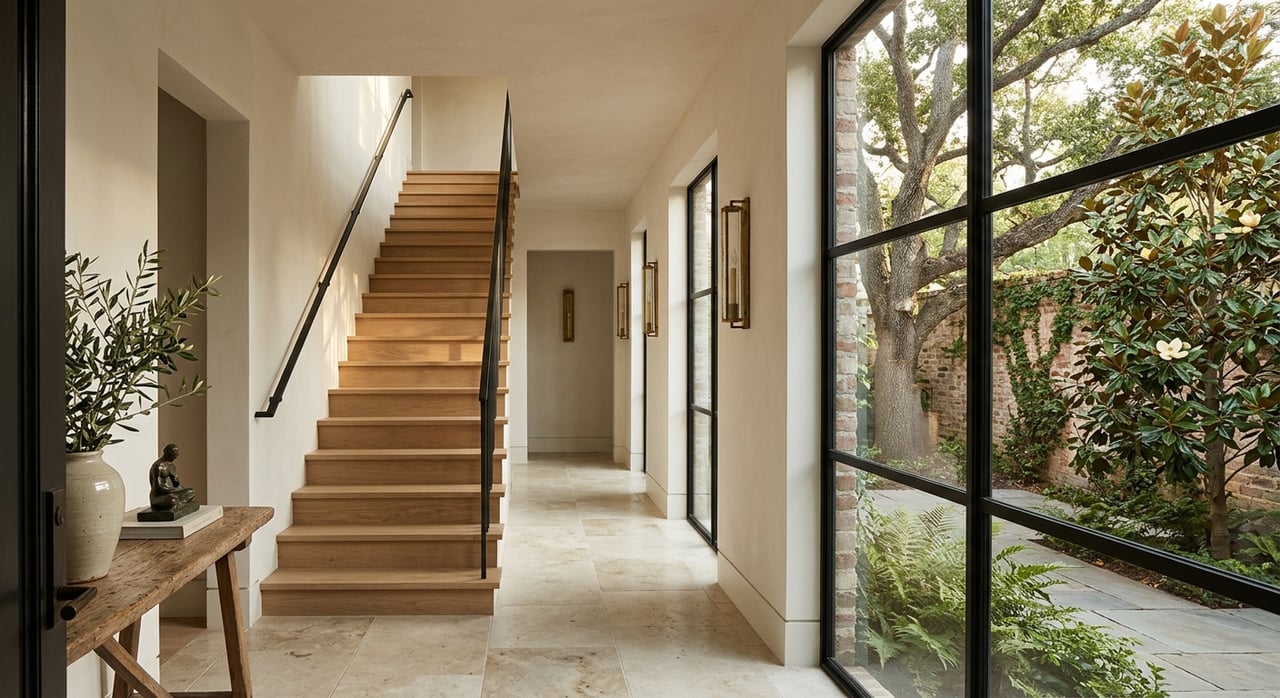
Relocating To Houston? Where Memorial Fits
June 18, 2026
June 18, 2026
Relocating to Houston often starts with one big question: where will your day-to-day life actually work best? If Memorial is on your list, you are probably weighing commute, housing style, price point, and how connected the area feels to the rest of the city. This guide will help you understand where Memorial fits in Houston, what tradeoffs to expect, and how to decide whether it matches your priorities. Let’s dive in.
Memorial is a west-side Houston super neighborhood located between Buffalo Bayou and Interstate 10. According to the City of Houston, it covers about 10.75 square miles and developed largely beginning in the 1950s.
What makes Memorial stand out is its mix of uses. You will find single-family homes, multifamily housing, commercial and office areas, public and institutional sites, and parks and open space. That mix gives the area a more varied feel than a purely residential neighborhood.
For relocation buyers, that matters. Memorial is not just a place to sleep at night. It is an area where you can build daily routines around work access, shopping, medical care, and outdoor recreation.
If you are new to Houston, Memorial often appeals to people who want a west-side location with established housing, strong access to major job centers, and a more residential setting than some higher-density urban districts. It sits in a premium price tier, but it also offers a broad range of housing formats compared with some nearby areas.
In practical terms, Memorial often fits buyers who want to stay connected to places like the Energy Corridor, Memorial City, Uptown, Westchase, or even the Texas Medical Center, while still prioritizing an established neighborhood feel. It is especially relevant if your move is shaped by commute strategy, lifestyle convenience, or long-term resale thinking.
Current City of Houston data show that Memorial is still mostly a drive-oriented area. In 2023, 72.1% of workers drove alone, while just 0.5% used public transportation and 16.9% worked from home.
Travel times also support that pattern. About 61.4% of workers commuted 15 to 39 minutes, and 83.1% commuted under 40 minutes. If you are relocating from a more transit-centered city, that is an important expectation to set early.
METRO service is available, but it is not as robust as what you would find in some inner-loop locations. Route 70 Memorial runs hourly and serves Memorial Drive and Gessner, with connections to places like Memorial City Mall, Memorial Hermann Memorial City Medical Center, Uptown Houston, and Northwest Transit Center.
Route 298 Katy Freeway / TMC Park & Ride operates on weekdays and connects Addicks Park & Ride with the Texas Medical Center Transit Center. For some commuters, that can be useful. Still, for most households considering Memorial, daily life is likely to center on driving.
One reason Memorial remains attractive is its position relative to major employment centers. West Houston job hubs include the Energy Corridor along I-10, the Westchase business district, Uptown Houston, Memorial City, and the Texas Medical Center.
That gives Memorial a practical advantage for many relocation buyers. If your job is on Houston’s west side or you need flexible access to several business districts, Memorial can serve as a strategic middle ground.
If you want everyday access to green space, Memorial has strong appeal. Memorial Park offers tennis courts, sports fields, a fitness center, a pool, and six miles of bayou trails.
The Houston Arboretum and Nature Center sits on the western edge of Memorial Park and includes 155 acres with five miles of trails. For many buyers, this outdoor access is part of what makes the area feel livable beyond the home itself.
Memorial also benefits from nearby mixed-use destinations that simplify day-to-day errands and social plans. Memorial City combines office, residential, hotel, retail, dining, and healthcare uses in one major west-Houston cluster.
CITYCENTRE adds another layer of convenience nearby, with shopping, dining, and mixed-use activity in Town and Country. If you want a neighborhood where you can pair established residential pockets with practical commercial access, Memorial checks that box.
For many relocation buyers, proximity to healthcare matters. Memorial Hermann Memorial City Medical Center is located at 921 Gessner Road within the same broader west-Houston retail and medical cluster.
That kind of nearby infrastructure can shape how convenient an area feels over time. It is not always the first thing buyers ask about, but it often becomes a major quality-of-life factor after the move.
Memorial is not one-note. The 2023 housing profile shows 23,412 housing units, including 38.5% detached homes, 11.7% attached units, and 37.1% in buildings with 10 or more units.
That means your search can be more flexible here than in some areas dominated by one housing type. Depending on your goals, you may be comparing traditional detached homes, attached options, or locations closer to mixed-use hubs.
Nearly half of Memorial’s housing stock was built from 1960 to 1979. About 20.5% was built from 2010 to 2019.
For you as a buyer, that usually means a mix of established homes and newer infill or redevelopment. Some buyers love the character and mature setting of older homes, while others prefer newer construction or lower-maintenance options near commercial corridors.
The 2023 median housing value in Memorial was $660,423. City data also show that 65.9% of owner-occupied units were valued at $500,000 or more.
That places Memorial above several nearby areas and close to Greater Uptown in pricing. If Memorial is on your shortlist, it is smart to go in with clear expectations about budget and what tradeoffs matter most to you.
Here is a helpful snapshot of median housing values from the City of Houston’s 2023 data:
| Area | Median Housing Value |
|---|---|
| Spring Branch North | $338,698 |
| Spring Branch Central | $372,304 |
| Spring Branch East | $460,722 |
| Westchase | $484,632 |
| Washington Avenue Coalition / Memorial Park | $546,941 |
| Memorial | $660,423 |
| Greater Uptown | $677,619 |
This does not mean one area is better than another. It simply shows that Memorial tends to compete in the upper end of the west-side and close-in Houston market.
If your main constraint is price, Spring Branch or Westchase may be worth comparing. If you want a similar premium tier with a different urban feel, Greater Uptown may also enter the conversation.
When you relocate to Houston, commute planning should come first. Memorial can be a great fit, but its value often depends on how well it connects to your work and routine.
If your office is in the Energy Corridor, Memorial City, Westchase, Uptown, or another west-side district, Memorial may make strong sense. If your job is elsewhere, it is worth comparing your likely drive times before you narrow the search.
Once commute is clear, think about how you want to live. Some buyers want a detached-home neighborhood feel, while others prefer an attached home or a location closer to mixed-use areas like Memorial City or CITYCENTRE.
That choice affects more than price. It also shapes your maintenance expectations, daily convenience, and how much space or lock-and-leave flexibility you want.
The City of Houston notes that Memorial includes zones for Houston ISD, Katy ISD, and Spring Branch ISD. Because of that, school assignment should always be verified by exact property address.
For relocation buyers, this step is critical. You do not want to make assumptions based on neighborhood name alone.
Memorial sits between Buffalo Bayou and I-10, so floodplain due diligence matters. Harris County Flood Control advises buyers to use its Flood Education Mapping Tool and, when needed, to survey a home’s elevation relative to the base flood elevation.
This is one of those steps that should happen early, not late. If you are comparing several homes, floodplain and elevation research can help you make a more informed decision before writing an offer.
If price, commute, or housing type is your biggest decision point, compare Memorial with Spring Branch, Westchase, Uptown, and the Energy Corridor. Those comparisons can quickly reveal whether Memorial is the right fit or whether another area solves your priorities more efficiently.
A good relocation search is not about chasing the most popular name. It is about matching your budget, routine, and goals to the right part of Houston.
Memorial often works well for buyers who want an established west-Houston setting, premium housing options, and practical access to major business districts. It can also appeal to people who value outdoor amenities, mature surroundings, and a blend of residential and mixed-use convenience.
At the same time, Memorial may be less ideal if you want a transit-first lifestyle or if your budget points you toward more value-oriented nearby areas. That is why the best relocation plan is always grounded in your actual priorities, not just broad reputation.
If you are relocating to Houston and trying to understand Memorial in context, a clear local strategy can save you time and reduce second-guessing. Julie Sheets brings deep Memorial-area roots, a highly organized process, and practical neighborhood guidance to help you compare options and move forward with confidence. If you want tailored help sorting through Memorial and nearby Houston neighborhoods, Julie Sheets is a great place to start.
Stay up to date on the latest real estate trends.


Highly organized, responsive, and personable, Julie is someone clients can rely on to expertly guide through what can otherwise feel like an overwhelming process.