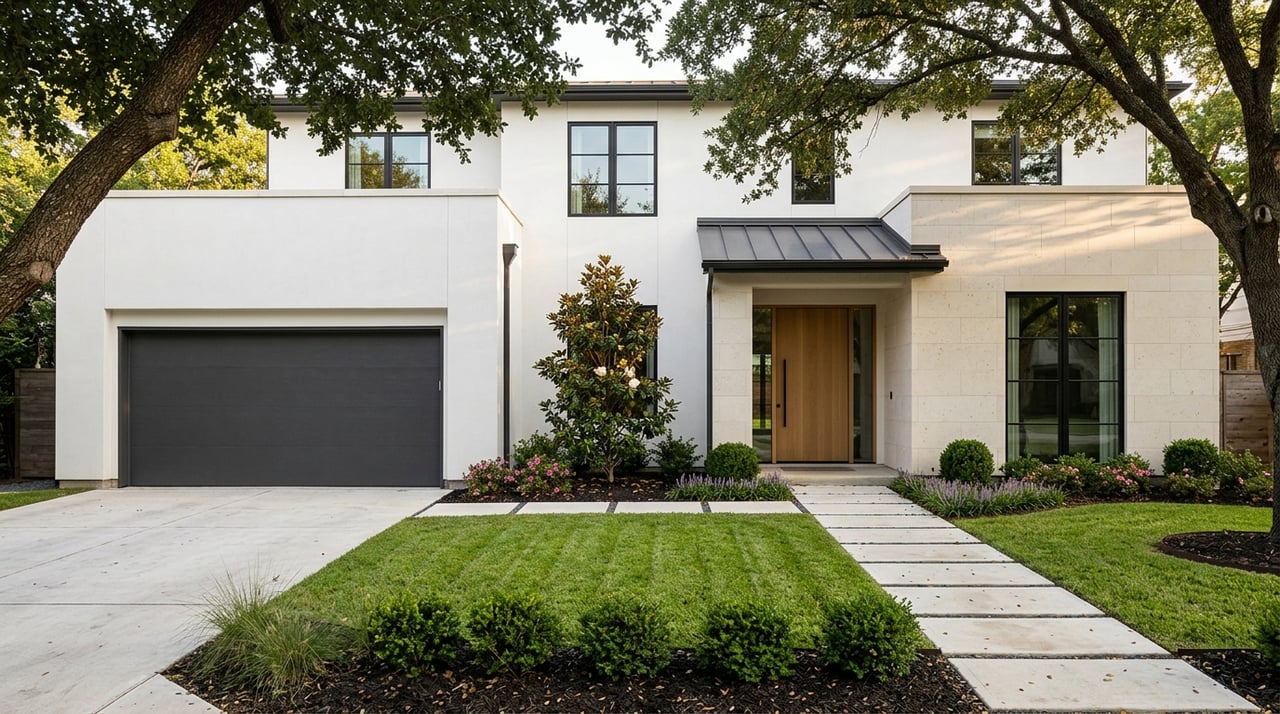
How Memorial’s Pocket Neighborhoods Differ For Buyers
July 2, 2026
July 2, 2026
If you have started home shopping in Memorial, you have probably noticed one thing quickly: two homes with a Memorial address can offer very different day-to-day living. That can feel confusing, especially if you are trying to balance commute, lot size, neighborhood rules, and access to shopping or dining. The good news is that once you understand Memorial’s smaller pocket neighborhoods, your search becomes much more focused. Let’s dive in.
Memorial is best understood as a corridor rather than a single, uniform neighborhood. According to the City of Houston’s Memorial neighborhood assessment, the area sits between Buffalo Bayou and I-10, west of several incorporated villages, and includes housing that ranges from postwar homes to high-end estates.
For buyers, that matters because the name “Memorial” does not tell you enough on its own. One home may sit on a quiet, wooded street with strong local rules and a lower-density feel, while another may be closer to Memorial City or the Energy Corridor with a more mixed-use, convenience-driven lifestyle.
The Memorial Villages include Piney Point, Bunker Hill, Hedwig, Hunters Creek, and Spring Valley. These are independent municipalities, not just subdivisions within Houston.
For many buyers, that creates a distinct feel right away. These pockets are generally associated with more privacy, more local control, mature trees, and a lower-density street pattern than many surrounding Houston neighborhoods.
Bunker Hill describes itself as preserving a quiet, wooded environment through zoning and other ordinances. Piney Point highlights large lots, mature trees, and access to I-10, Beltway 8, the Energy Corridor, and Uptown/Galleria. Spring Valley also emphasizes large, wooded lots and winding streets, while Hunters Creek notes its hiking and biking paths and residential scale.
In practical terms, the Villages often appeal to buyers who want a more tucked-away setting. If your priority is space, tree cover, and a strong sense of residential character, these pockets may rise to the top of your list.
Another major category includes neighborhoods like Wilchester, Nottingham, Frostwood, and Memorial Forest. These are established single-family neighborhoods known for mature trees, traditional street patterns, and active neighborhood governance.
What changes for you as a buyer is the level of structure. Wilchester, Nottingham, Frostwood, and Memorial Forest all describe deed restrictions or architectural review processes, and some include services or amenities that shape daily life in a very specific way.
Wilchester notes deed restriction enforcement, architectural control, security surveillance, and trash pickup from the back of the home. Nottingham requires approval for modifications and new construction, while its community club includes a pool, lap pool, tennis courts, playground, and clubhouse. Frostwood includes deed restrictions, pre-approval for exterior changes, security patrol, and private trash and recycling.
If you want an established neighborhood feel with mature landscaping and more predictable subdivision standards, these pockets often make sense. They can offer a middle ground between a village municipality and a more convenience-oriented mixed-use district.
Memorial City, CityCentre, Town & Country, and Village Plaza at Bunker Hill form a very different kind of Memorial experience. This cluster is shaped by shopping, dining, office, medical, hotel, and residential uses along the I-10 and Beltway 8 corridor.
Memorial City is described as a planned mixed-use district. The broader Memorial District also identifies CityCentre as especially walkable, with a “park once and walk” pattern between restaurants, shops, and outdoor public spaces.
For buyers, that usually means a different lifestyle tradeoff. You may give up some yard-focused suburban character in exchange for easier errands, more restaurant options, and access to condo, townhome, or higher-density residential choices.
This pocket can be especially useful if you want convenience built into your routine. If being close to services matters more than having a large lot, this part of Memorial may feel like a strong fit.
Farther west, some Memorial pockets overlap with the Energy Corridor. This part of the area is often shaped more by commute patterns and freeway access than by the Memorial retail core.
The Energy Corridor District stretches along both sides of I-10 from Kirkwood Road to west of Barker Cypress Road, with Eldridge Parkway playing an important role in daily movement. Memorial Thicket, for example, is a small subdivision on Memorial Drive in the Energy Corridor and backs up to Terry Hershey Park.
If your workday centers on west Houston, this area may deserve a closer look. Buyers who prioritize quick access to major employment centers often find that this side of Memorial functions differently from the more central or village-oriented pockets.
Across Memorial, I-10 is the dominant east-west route. Memorial Drive is central to many older residential and village pockets, while Beltway 8 becomes more important near Memorial City and Piney Point.
Farther west, Eldridge Parkway becomes a key daily route in the Energy Corridor overlap. That means your actual driving pattern can look very different depending on which pocket you choose, even if all the homes are marketed as being in Memorial.
The Memorial District identifies Memorial City Mall, CityCentre, Town & Country Village, and Village Plaza at Bunker Hill as major retail and dining hubs. These centers bring a high concentration of stores, restaurants, and services to certain parts of the area.
As a buyer, this affects your weekly rhythm more than you might expect. Some neighborhoods offer a more private, residential setting but require more driving for routine errands, while others put shopping, dining, and entertainment much closer to home.
If you care about lot size, trees, and how much change is regulated around you, Memorial’s pocket differences become even more important. Piney Point, Bunker Hill, and Spring Valley all place visible emphasis on wooded character and preservation of residential form.
In the established subdivision pockets, deed restrictions and architectural review are often part of the package. In places like Wilchester, Frostwood, Nottingham, and Memorial Forest, exterior changes and some new construction plans may require review or approval.
That does not automatically make one option better than another. It simply means you should match the neighborhood structure to your comfort level and your long-term plans for the property.
Before you compare homes, define what matters most in your daily life. For example, your top priorities may be a shorter commute, a larger lot, stronger neighborhood rules, or easier access to shopping and dining.
Once you know your priorities, Memorial becomes easier to read. Instead of treating the area as one market, you can compare the pockets that actually support the lifestyle you want.
In many Memorial pockets, neighborhood rules are part of the ownership experience. That may include deed restrictions, architectural review, tree requirements, service arrangements, or city-level ordinances depending on the pocket.
This is one of the most important parts of due diligence. If you are considering future renovations, lot changes, or new construction potential, the neighborhood framework deserves early attention.
School zoning in Memorial should always be checked by exact address. Spring Branch ISD directs users to district maps and an address-based school finder, and Memorial planning materials show the broader area has historically included multiple school districts.
The key takeaway is simple: do not assume zoning based on a neighborhood name alone. If schools are part of your decision, confirm the exact assignment for each property you consider.
If you are feeling torn between several parts of Memorial, it helps to group your options by lifestyle rather than by price alone.
That framework will not replace a property-by-property review, but it can save you time and help you compare homes more intelligently.
Memorial works best when you stop viewing it as one neighborhood and start viewing it as a collection of micro-markets. If you want help sorting through which pocket best fits your routine, priorities, and long-term goals, Julie Sheets can help you build a focused, low-stress search strategy.
Stay up to date on the latest real estate trends.






Highly organized, responsive, and personable, Julie is someone clients can rely on to expertly guide through what can otherwise feel like an overwhelming process.