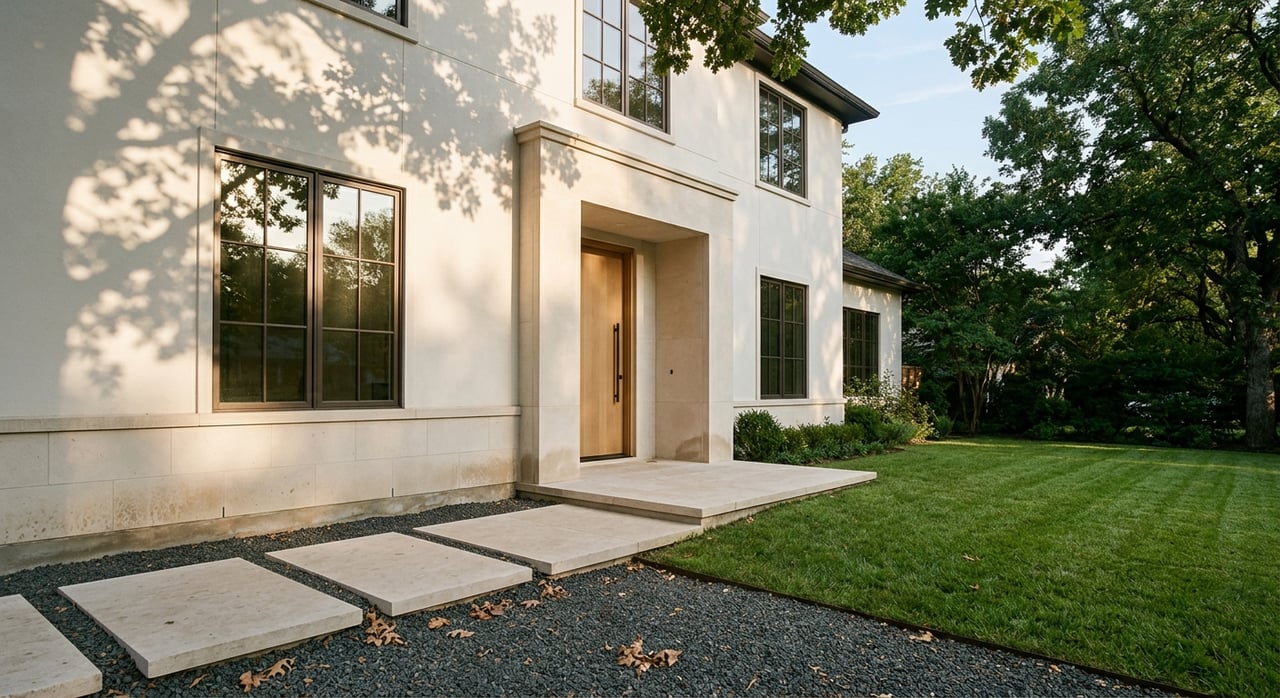
Comparing Memorial With Other Close-In Houston Areas
April 2, 2026
April 2, 2026
If you are trying to choose between Memorial and Houston’s other close-in neighborhoods, you are not alone. Many buyers want the right mix of commute, lot size, daily convenience, and long-term fit, but the options can feel surprisingly different once you look past the zip code. This guide will help you compare Memorial with other close-in Houston areas so you can narrow in on what fits your lifestyle and priorities best. Let’s dive in.
Memorial is best understood as a west Houston corridor with several submarkets, not one single neighborhood with one housing style. That matters because the experience of living in Memorial can vary a lot depending on whether you are looking at a larger-lot section like Memorial Village Estates or a smaller attached-home pocket like Memorial Village Townhomes.
Recent HAR pricing data for Memorial Village Estates shows just how broad that range can be. Memorial Village Estates has a median lot size of 15,002 square feet and a median market value of $1.35 million, while Memorial Hollow comes in at an 8,800 square foot median lot and about $970,000 median market value, and Memorial Meadows shows an 8,211 square foot median lot with an $850,000 median market value. Memorial Village T/H is a much smaller-lot townhome option with a 1,299 square foot median lot and a median market value around $340,000.
That range is one of Memorial’s biggest strengths. It gives you more flexibility than many close-in areas, especially if you want west-side access but do not all need the exact same home type.
When you compare Memorial with West University Place, Rice Village, Bellaire, the Heights, River Oaks, and Tanglewood, the real differences usually come down to four things:
Here is how Memorial stacks up.
Memorial’s location advantage is mostly about freeway convenience. According to the Memorial Management District, the area sits along the Katy Freeway between Beltway 8 and Bunker Hill, with additional access along Beltway 8 from Memorial Drive to I-10. That location helps connect you to downtown, the airports, and the Texas Medical Center.
Memorial also has transit service. METRO Route 70 Memorial and Route 162 Memorial Express serve the area, with stops tied to destinations like Memorial City Mall and Town and Country Village. Still, in day-to-day practice, Memorial is more freeway-oriented than rail-oriented.
West University Place and Rice Village are more closely tied to the METRORail Red Line, including nearby stops such as Hermann Park/Rice U, Dryden/TMC, and TMC Transit Center. If rail access or proximity to the Texas Medical Center is high on your list, those areas may feel more connected.
Bellaire and the Heights sit somewhere in between. Both are well served by bus routes, but they do not offer the same freeway-first setup as Memorial or the same rail adjacency as West U and Rice Village.
If you want a neighborhood that works especially well for driving across Houston’s major employment corridors, Memorial stands out. If you want the strongest rail proximity, West U and Rice Village have an edge.
Memorial’s retail pattern is built around large, convenient destination centers. The Memorial Management District shopping overview highlights CityCentre, Memorial City Mall, Town & Country Village, and Village Plaza at Bunker Hill as major anchors for shopping, dining, and everyday errands.
That setup is practical and efficient. You can get a lot done in one area, and destinations like CityCentre add a more walkable element with restaurants and an outdoor event plaza.
Rice Village offers a different kind of retail experience. Its official site describes it as Houston’s oldest shopping district, established in 1937, with more than 350 restaurants, bars, coffee shops, boutiques, and museums. The appeal there is less about large retail centers and more about strolling, browsing, and staying local for dining and shopping.
The Heights also brings a more street-level experience. Its 19th Street district is known for locally owned shops, eateries, galleries, and live music in a historic setting. West University Place, by contrast, has a smaller-scale Town Center that city planning documents describe as a mixed-use focal point around Edloe, serving more neighborhood-level needs.
Bellaire’s official city page points to a quaint downtown with shopping and dining options, while River Oaks District is generally known for a more luxury-driven retail and dining environment.
If you value convenience, easy parking, and major retail hubs, Memorial is very strong. If you prefer a more walk-around shopping and restaurant environment, Rice Village, the Heights, and parts of River Oaks may feel more aligned with your style.
One of the biggest reasons buyers compare Memorial favorably with other close-in Houston areas is space. In general, Memorial tends to offer more land than West U or the Heights, though it overlaps with some other neighborhoods depending on the section.
According to recent HAR data, West University Place has a median lot size of 7,500 square feet, Houston Heights sits at 6,550 square feet, Bellaire is also at 7,500 square feet, River Oaks is at 11,453 square feet, and Tanglewood comes in at 16,500 square feet. Memorial submarkets range widely, from 8,211 square feet in Memorial Meadows to 15,002 square feet in Memorial Village Estates, based on HAR market data.
This is where Memorial becomes especially useful to compare by subarea and property type. You can find detached homes on larger lots, but you can also find attached options in smaller pockets. That gives buyers more ways to stay in the area without committing to the same home size or price point.
West U and Bellaire are also largely single-family markets, but often on tighter parcels. The Heights tends to feature older homes, smaller lots, and ongoing renovation or infill activity. River Oaks and Tanglewood generally skew larger and more luxury-oriented.
Price is where the Memorial comparison gets more nuanced. Memorial is not one price band, which is why broad averages can be less helpful than neighborhood-specific data.
For example, HAR data for West University Place shows a median market value of $2.11 million. River Oaks is at $3.34 million, and Tanglewood is at $2.44 million. Within Memorial, Memorial Village Estates sits at $1.35 million, while Memorial Hollow is around $970,000, which is close to Bellaire’s $1.03 million and above the Heights at $862,000.
That puts Memorial in an interesting middle position. Depending on the section, you may get more lot size than some central neighborhoods while still staying below the median market values seen in West U, River Oaks, or Tanglewood.
The right choice often comes down to how you want your day-to-day life to feel.
Memorial is a strong fit if you want:
It is often appealing if yard space, privacy, and access across west Houston matter more to you than being in the most walkable retail district.
These areas are often a fit if you want:
Bellaire may appeal if you want:
The City of Bellaire describes that housing mix clearly, which helps explain why Bellaire often attracts buyers looking for both charm and newer construction options.
The Heights can be a good match if you want:
These areas are usually considered by buyers seeking more luxury-oriented close-in alternatives. River Oaks tends to feel more central and retail-rich, while Tanglewood leans toward larger-lot west-side luxury.
If you are deciding where to focus your search, it helps to ask a few simple questions:
Do you want more land, or more walkability?
Memorial usually wins on lot size. Rice Village, West U, and the Heights often win on walk-around retail feel.
Is your commute mostly by car or transit?
Memorial is strongest for freeway-based access. West U and Rice Village are more rail-adjacent.
Do you want one housing type, or more flexibility?
Memorial offers a broader spread, from larger-lot homes to townhome pockets.
What price point are you targeting?
Memorial spans a wider range than some close-in luxury neighborhoods, which can create more options depending on your goals.
Memorial continues to stand out because it offers a combination that is hard to replicate all in one place: west-side access, meaningful lot-size options, established housing, and strong retail convenience. The presence of major destinations plus easy access to I-10 and Beltway 8 gives it broad appeal for both long-time Houstonians and relocation buyers.
It also benefits from lifestyle anchors like Memorial Park, which the district highlights alongside the area’s transportation network and accessibility. With more than 30 miles of trails and roughly 1,500 acres, the park adds a major recreational asset to the broader west Houston lifestyle picture.
If you are comparing close-in areas, Memorial is often less about one single vibe and more about choice within the same corridor. That flexibility is exactly why many buyers keep coming back to it.
If you want help narrowing down which Memorial section or nearby close-in neighborhood best matches your priorities, Julie Sheets offers calm, highly detailed guidance for buyers and sellers across Houston’s Memorial-area core. If you are ready to compare options with a clear strategy, Schedule a Consultation.
Stay up to date on the latest real estate trends.
Highly organized, responsive, and personable, Julie is someone clients can rely on to expertly guide through what can otherwise feel like an overwhelming process.