Understanding The Piney Point Luxury Market
May 14, 2026
May 14, 2026
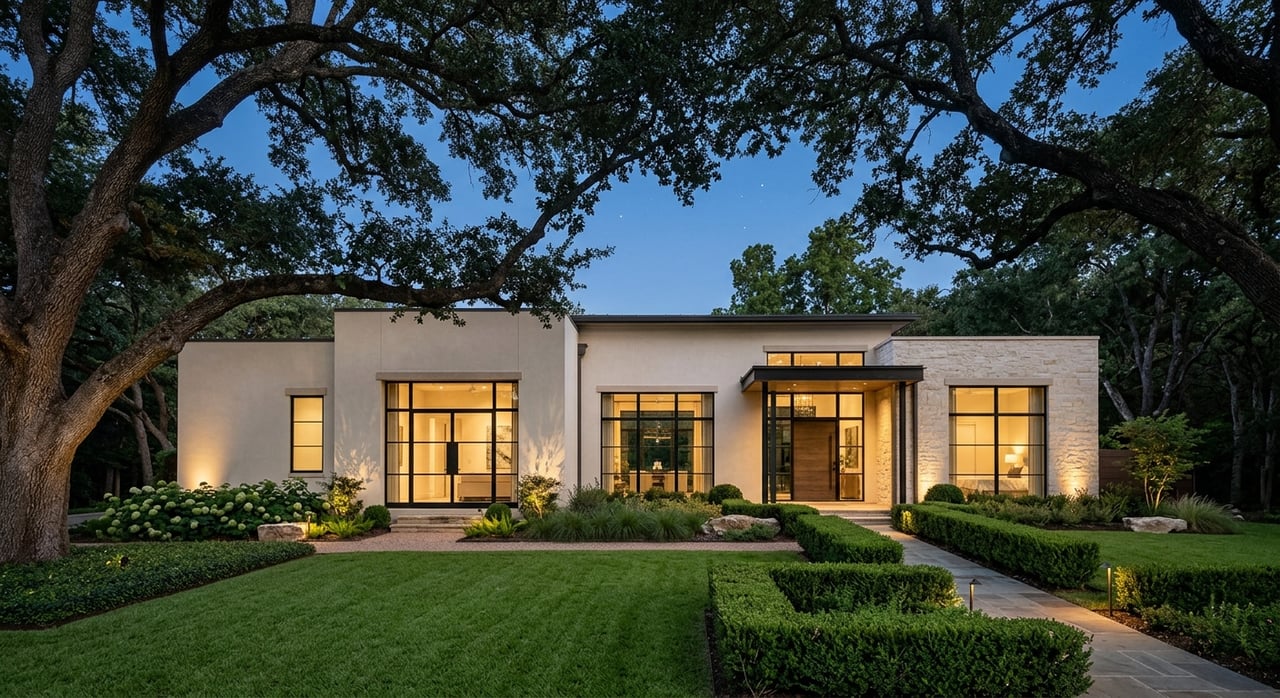
If you are trying to make sense of Piney Point’s luxury market, you are not alone. This is one of those places where broad Houston headlines only tell part of the story, and a single listing can skew what looks like the “market.” If you are buying or selling here, it helps to understand how Piney Point really behaves, what price bands are showing up today, and which details tend to matter most. Let’s dive in.
Piney Point Village is a small residential city of about 2.1 square miles, with a population of 3,128 according to the 2020 census. It has its own planning and zoning board, code of ordinances, police department, and fire department, which helps explain why it functions more like a distinct micro-market than a typical suburban neighborhood.
That local structure matters because the number of available homes is usually very limited. In a market this thin, even a few listings or sales can change the apparent trend. That means you should read Piney Point as a directional luxury market, not as a place where broad averages always tell the full story.
The housing profile in Piney Point is unusually large-scale. HAR’s 2025 facts snapshot shows a median home size of 7,839 square feet, a median lot size of 49,336 square feet, and a median year built of 1982. The typical home also reflects estate-style proportions, with an average of 5.2 bedrooms and 6.6 baths.
In practical terms, buyers here are not just comparing countertops or paint colors. They are often weighing lot size, privacy, tree cover, rebuild potential, floor plan function, and the overall quality of the home’s construction and updates. In Piney Point, land and layout can carry as much weight as finish selections.
Current listing snapshots point to a luxury market with a wide spread and several distinct tiers. Depending on the platform and filter, visible inventory ranges from 16 to 30 homes for sale, with median list prices generally falling between about $4.25 million and $4.65 million.
The active luxury listings currently visible on Redfin span roughly from $2.175 million to $8.9 million. Multiple listings are clustered between about $3 million and $6.5 million, which suggests that this is where much of the market activity tends to concentrate.
Recent sold examples support that pattern. HAR sold pages show homes trading in a broad range, from about $1.888 million to $2.176 million on the lower end of recent examples, up through a sale in the $9 million to $10 million range. Taken together, the market often appears to center in the mid-$2 million to mid-$6 million range, with occasional outliers below and above that band.
One of the easiest mistakes in Piney Point is treating all luxury homes as if they belong in the same bucket. They do not. A property at the lower end of the market may be driven more by lot value, age, or renovation needs, while a higher-tier property may command a premium for newer construction, superior privacy, estate scale, or a stronger overall package.
That is why price per square foot alone can be misleading here. Two homes can sit on very different lot sizes, offer very different levels of privacy, and present completely different buyer appeal even if they are both technically “luxury” listings. In Piney Point, the story behind the property matters.
The short answer is that timing varies widely. Current platform snapshots show median days on market ranging from 40 days on Realtor.com to 71 days on Redfin, depending on source and methodology. In a low-volume market, those differences are normal.
Recent sold examples show just how wide the spread can be. One Piney Point property sold after 3 days, another after 14 days, while another took 217 days to close. That tells you something important: in this market, address alone does not guarantee speed.
Condition, pricing discipline, and product-market fit matter a great deal. When a home is well positioned and aligned with buyer expectations, it can move quickly. When the pricing or presentation misses the mark, days on market can stretch much longer.
Older market data from HAR helps illustrate how quickly Piney Point can respond when supply is tight and pricing is realistic. In March 2025, HAR reported 1.55 months of inventory, a median of 14 days on market, a sold-to-list ratio of 98.9%, and a median sold price of $6.595 million.
That snapshot is not a current live reading, but it is useful context. It shows that when the market is thin and a home is priced in line with buyer expectations, Piney Point can move fast. Sellers who want strong results should think carefully about preparation, positioning, and launch strategy rather than assuming the address will do all the work.
Piney Point buyers appear to prioritize features that support privacy, ease, and entertaining. Redfin’s listing-based feature analysis points to stronger sale-to-list outcomes for homes with features such as double ovens, security gates, island bars, cul-de-sac locations, tankless hot water heaters, guest quarters, barbecue areas, walk-in closets, ceiling fans, and tile finishes.
That mix tells a clear story. Buyers are looking beyond square footage alone and paying attention to how a property lives day to day. Functional luxury tends to matter here just as much as visual appeal.
The listing language in current and recent Piney Point properties reinforces a few recurring themes:
If you are selling, this is a good reminder that buyers in Piney Point are often purchasing a full lifestyle package. Presentation should highlight privacy, lot quality, outdoor living, and the way the home functions for everyday comfort and hosting.
Piney Point is often considered alongside other high-end Houston enclaves, but its profile is distinct. HAR’s March 2026 price trends show a median sold price of $3.045 million in the River Oaks Area, with just 7 days on market. For the Memorial Villages in March 2026, HAR reported a median sold price of $2.535 million and 11.5 days on market.
Against that backdrop, Piney Point’s current active luxury medians in the roughly $4.25 million to $4.65 million range stand out. Buyers here are often paying a premium for acreage, privacy, and estate-quality construction, not just a prestigious close-in location.
The same pattern shows up when you compare Piney Point with the broader metro. Greater Houston’s March 2026 housing update reported 4.7 months of inventory and 67 days on market, while HAR’s April 2026 Memorial Villages update showed 3.4 months of inventory, 31.9 days on market, and a median sold price of $2.78 million.
Piney Point sits at a thinner, more selective, and more expensive end of the market. That can create excellent opportunities, but it also means buyers and sellers need to be careful about overgeneralizing from citywide data.
If you are buying in Piney Point, it helps to start with a flexible framework instead of a one-size-fits-all expectation. Homes here can vary widely in lot value, age, design, updates, and overall lifestyle appeal. Two properties at a similar price may offer very different long-term value depending on the land, privacy, and improvement quality.
You also want to be ready for mixed timing. Some homes may move quickly when they hit the sweet spot on pricing and presentation, while others may sit long enough to create room for negotiation. The key is understanding which properties are truly well aligned with the market and which ones may need a second look.
If you are selling in Piney Point, preparation matters. Because buyers often focus on the total package, your strategy should go beyond simple cosmetic touch-ups. The right plan may include thoughtful improvements, staging, vendor coordination, and clear positioning around the lot, privacy, entertaining spaces, and functional luxury features.
This is also a market where pricing discipline can protect your outcome. In a small inventory environment, an ambitious launch price can sometimes look tempting, but extended market time can change the conversation. A well-prepared home with a realistic strategy often has a better chance of creating strong early interest.
For sellers who want a more hands-on approach, that kind of pre-market planning can make a real difference. Julie Sheets is known for guiding listing preparation in detail, from improvement planning and staging coordination to working with trusted vendors and, when appropriate, using Compass Concierge to support eligible pre-market services.
If you are considering a move in Piney Point, working with someone who understands both the micro-market and the prep work behind a strong launch can help you make more confident decisions. You can schedule a consultation with Julie Sheets.
Stay up to date on the latest real estate trends.

Highly organized, responsive, and personable, Julie is someone clients can rely on to expertly guide through what can otherwise feel like an overwhelming process.