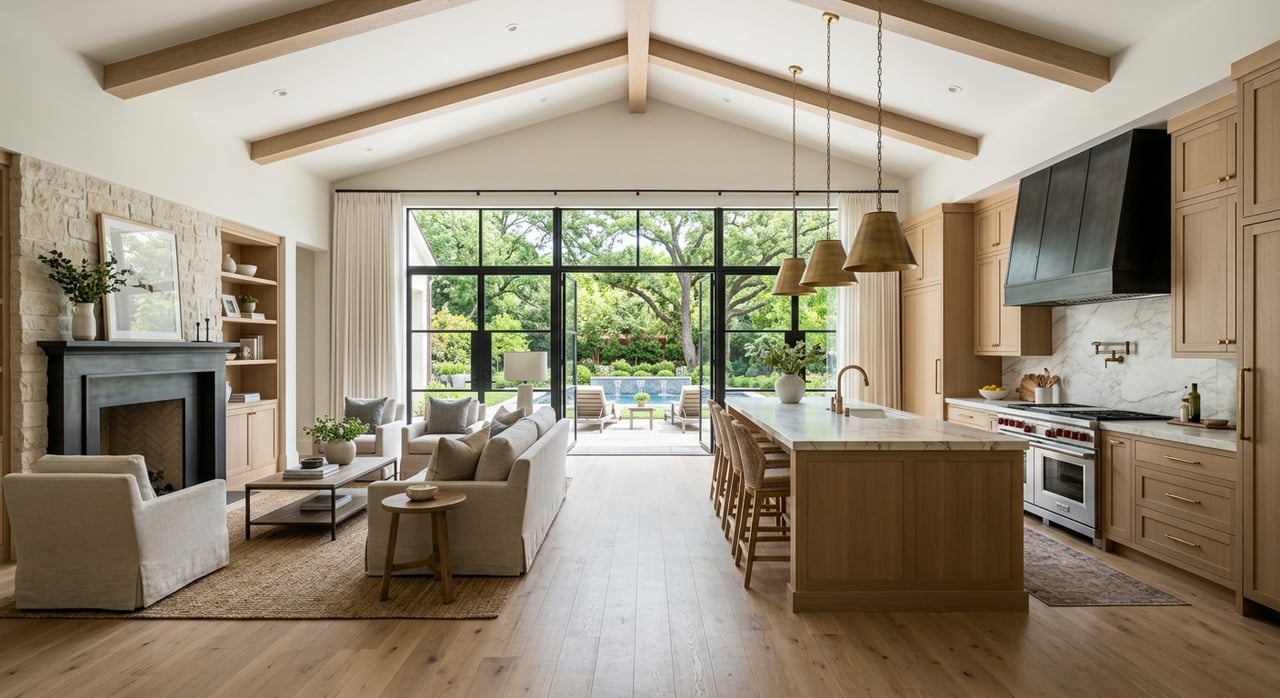
Choosing A Family Home In Memorial Houston
April 16, 2026
April 16, 2026
If you are searching for a family home in Memorial, the biggest mistake is treating Memorial like one single neighborhood. It is a broad west Houston area with different pockets, different housing styles, and different day-to-day tradeoffs. When you know what to compare before you tour, you can make a more confident decision and avoid falling for a house that does not fit your routine. Let’s dive in.
Memorial is a large super neighborhood, not one subdivision. The City of Houston places it roughly between I-10, Buffalo Bayou, the Memorial Villages, and State Highway 6, and notes that major residential development began in the 1950s. It also describes the housing stock as ranging from comfortable mass-produced homes to million-dollar estates, which is why a specific pocket often matters more than the Memorial label alone. You can review the area overview on the City of Houston Memorial super neighborhood page.
For you as a buyer, that means the right home is not just about price or square footage. It is about how a particular street, lot, and floor plan support school mornings, workdays, errands, and weekends.
When families tour homes, it is easy to focus on finishes first. In Memorial, layout usually matters more, especially because many homes trace back to Houston’s postwar building era.
The City of Houston’s historic preservation material notes that ranch homes were especially popular in the 1940s and 1950s. Since Memorial’s first major development wave aligns with that period, you should expect to see a meaningful number of one-story or lower-profile homes that may need updates for modern living. You can see that housing context in the City’s historic preservation overview of ranch-style development.
Before you get attached to countertops or paint colors, ask a few practical questions:
These questions matter in Memorial because the housing mix is so varied. Some homes keep much of their original layout, while others have been expanded or reworked.
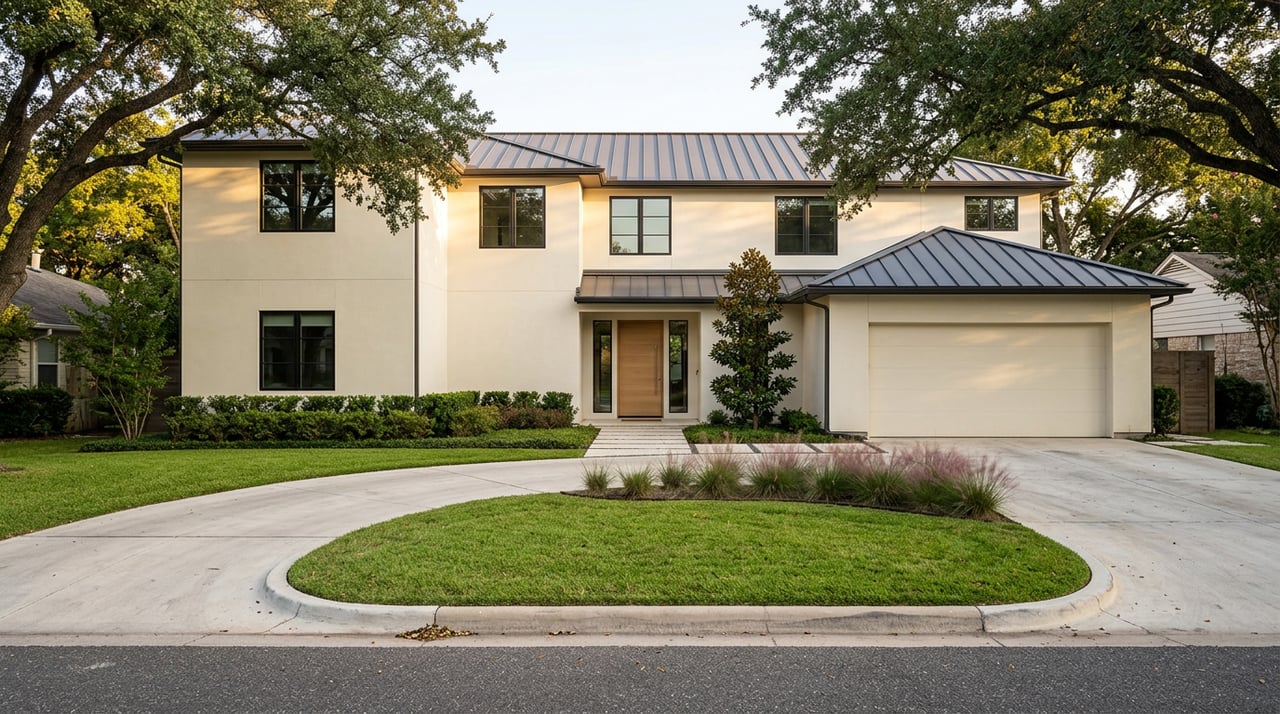
You may also see very different homes on the same street. A Houston Chronicle feature on Memorial Glen highlighted a restored 1960s midcentury home with family-oriented updates, while noting that nearby smaller midcentury homes were being replaced with much larger newer homes after Harvey.
That contrast is part of Memorial’s character. Some buyers want an updated original with architectural personality, while others want a newer build with larger rooms and current systems. Neither is automatically better. The key is whether the home supports your real life.
One reason Memorial can feel confusing is that it includes a range of distinct residential pockets. Some areas feel more traditional and neighborhood-scaled, while others feel more estate-like.
For example, Memorial Bend is a deed-restricted subdivision of 364 single-family homes south of Beltway 8 and Memorial Drive. That is just one example, but it shows how one part of Memorial may feel more structured and rule-driven, while another may offer a very different setting.
When you compare homes, pay attention to:
In Memorial, micro-location can change your daily experience in a big way. A home that looks perfect online may feel less practical once you factor in access, lot use, or nearby turnover.
A large yard sounds appealing, but in Memorial, outdoor usefulness often matters more than raw lot size. The area’s wooded setting is one of its defining features, and that can shape how a yard actually lives.
The City of Houston describes Memorial as heavily wooded, and the Memorial Glen example from the Houston Chronicle showed how some homes were designed around courtyards, terraces, and pools instead of wide open lawns. That means two similarly sized lots can function very differently.
If outdoor space is important to your family, look beyond square footage. Ask whether the lot gives you the features you actually want, such as:
If you want to add improvements later, these details can matter just as much as the size of the lot itself.
You may not need the biggest private yard if nearby outdoor access already fits your routine. Memorial has strong park options that can expand your day-to-day recreation choices.
Memorial Park spans about 1,500 acres and includes trails, native prairies, wetlands, and sports complexes. The same source notes that the nearby Houston Arboretum offers a 155-acre nature sanctuary on Memorial Park’s western edge. The research also highlights Terry Hershey Park as a 496-acre park with more than 11 miles of trail, plus a playground, picnic area, and exercise stations.
For many families, that means a smaller or more shaded yard may still feel like a great fit when the broader outdoor network is close by.
In Memorial, flood due diligence should happen early. It is much easier to evaluate a property clearly before you become emotionally invested.
Harris County advises property owners to check flood-hazard status through its interactive floodplain management resources and notes that even homes outside high-risk zones can still flood. The county also states that standard homeowners insurance does not cover flood damage.
As you narrow your options, look at:
This is one of the most important practical steps in your home search. A beautiful backyard only adds value if it works well over time.
A family home is not only about what happens inside the property. It is also about how smoothly life runs once you live there.
The Memorial Management District lists CityCentre, Memorial City Mall, Town & Country Village, and Village Plaza at Bunker Hill as major shopping destinations in the area. CityCentre is known for walkability, while Memorial City is described as a 300-acre mixed-use district with more than 10 million square feet of real estate along the I-10 and Beltway 8 corridor.
For many buyers, convenience is a major reason to choose Memorial. Memorial City Mall is especially useful because, according to the same Memorial District shopping overview, it offers retail, dining, entertainment, a skating rink, a movie theater, and year-round events.
That can make a real difference in family life. A home that saves you time on errands, dining, and after-school activities often feels better long after the excitement of move-in day fades.
If school assignment is part of your decision, avoid broad assumptions. In Memorial, address-level verification matters.
Spring Branch ISD’s realtor resources page directs residents to use an address lookup tool to find zoned schools and notes that attendance boundaries can change. The research report also notes that Houston ISD assigns each residence by address to a feeder pattern.
Instead of asking which schools serve Memorial in general, verify each home individually. This gives you a clearer picture and helps you compare homes based on current information rather than neighborhood shorthand.
That same approach is helpful for resale. Buyers often pay attention to location convenience, functional layout, and address-specific details, so doing your homework now can support a smarter long-term decision.
Commute convenience can be easy to underestimate during a showing. In Memorial, access often comes down to how quickly you can reach the main corridors that shape daily travel.
The City of Houston places Memorial along I-10 and north of Buffalo Bayou, and the broader area also connects through Memorial Drive, Gessner, Beltway 8, and State Highway 6. Depending on where you work and how often you travel across town, one pocket may be much more practical than another.
If public transit is part of your planning, METRO Route 70 Memorial serves stops including Memorial City Mall, Memorial Hermann Memorial City Medical Center, and the Northwest Transit Center. The research report also notes that Route 162 Memorial Express connects places such as Downtown Transit Center, Addicks Park & Ride, Memorial City Mall, and Town & Country Village.
Even if you mainly drive, this corridor information helps you understand how connected a property may be over time.
When you are choosing a family home in Memorial, try using a clear decision order:
This approach can keep you focused when the market offers a wide mix of original homes, updated properties, and newer construction.
If you want help narrowing down Memorial by pocket, comparing layout tradeoffs, or evaluating which homes fit your lifestyle and long-term goals, Julie Sheets offers the kind of detail-driven, low-pressure guidance that can make the process feel much more manageable.
Stay up to date on the latest real estate trends.


Highly organized, responsive, and personable, Julie is someone clients can rely on to expertly guide through what can otherwise feel like an overwhelming process.